

Wine Essentials: Storage, Serving and Vintages
2nd June 2026
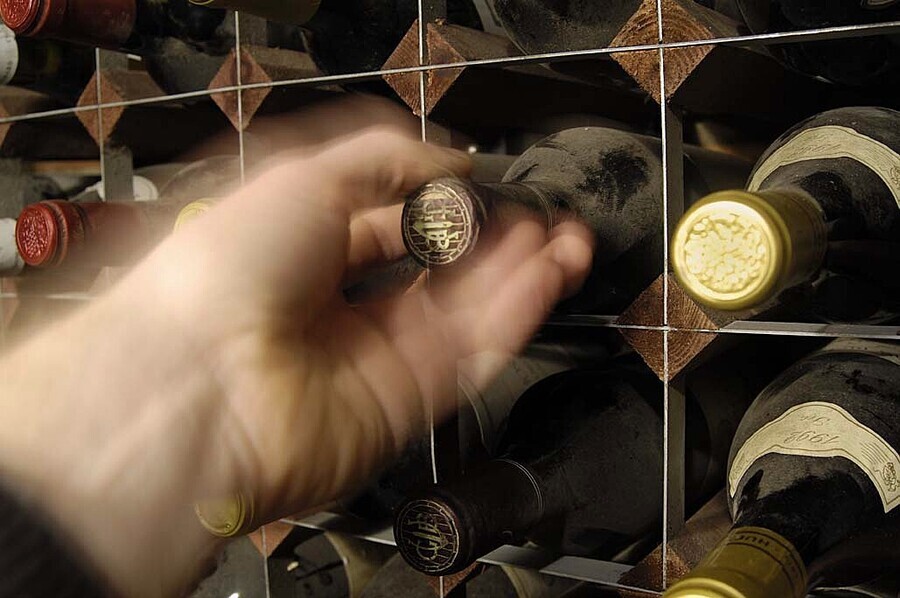
Getting the most from a bottle of wine doesn't begin when you pull the cork, it begins long before that. It starts with how you store it, how you serve it and how well you understand what's in the glass. Whether you're building a collection or simply making the most of a weekend purchase, a few foundational principles make an enormous difference to what ends up in the glass.
At FromVineyardsDirect, we work directly with growers across Bordeaux, Burgundy, the Rhône and beyond. We cut out the middleman to bring estate wines to your door at prices that reflect the source, not the supply chain. It's a model built on relationships and a genuine belief that where a wine comes from matters as much as what's in the bottle.
This is exactly why looking after it properly, once it's with you, is worth getting right.
What Temperature Should You Serve Wine At?
Ask most people how they serve wine and the answer tends to be binary: red at room temperature, white from the fridge. However, it is a lot more complex than this.
Serving temperatures by style:
Sparkling Wine: 6-8°C - keep it cold right up to the glass. The Crémant de Bourgogne 'Cuvée Millésimée' from Cave de Lugny is a perfect example, serve it properly chilled and the bubbles sing.
Light Whites and Rose: 8-10°C - a little cooler than most fridges serve them
Full-bodied Whites: 10-13°C - whites like Chardonnay open up beautifully with a few minutes out of the fridge
Light Reds: 12-14°C - reds like Pinot Noir actually benefit from a brief spell in the fridge before serving
Medium to Full-Bodied Reds: 16-18°C - not the 22°C of a centrally heated living room!
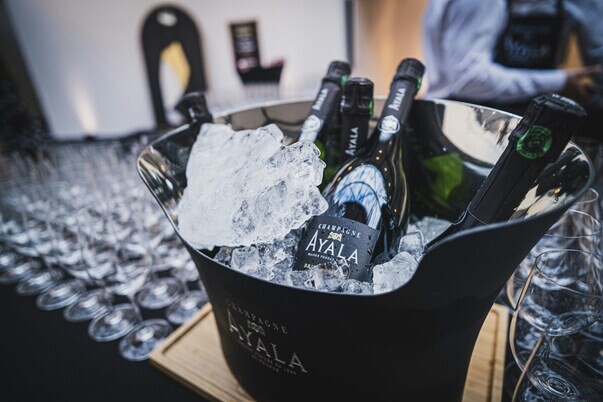
That last point is worth dwelling on. "Room temperature" as a guideline dates to a time before central heating. For the Bordeaux and Rhône blends in our range, 18°C is a ceiling, not a floor. Serving a structured red too warm makes the alcohol aggressive and flattens the fruit. A quick 20 minutes in the fridge before opening often transforms the experience.
Conversely, over-chilling a white suppresses its aromatics. Take a good white Burgundy out of the fridge 15 minutes before pouring and watch how it opens up.
If you'd like a more detailed do's-and-dont's guide to white wine serving temperatures, have a look our 'Best Serving Temperature for White Wine' blog.
Does the Type of Wine Bottle Cork Actually Matter?
The closure is often overlooked, but it shapes how a wine ages and how you should store it.
Natural Cork
Natural cork remains the choice for most fine wines, including the majority of bottles in the From Vineyards Direct portfolio from Bordeaux, Burgundy and the Rhône. It allows the micro-oxygenation that enables wines to develop complexity over time.
Synthetic Cork
Synthetic corks are increasingly common in mid-range wines. They eliminate cork taint but don't breathe in the same way, making them less suited to long-term cellaring.
Screwcaps
Screwcaps have shed their budget reputation and are now the closure of choice for many quality producers, particularly in New Zealand and Australia. They're excellent for wines meant to be drunk young and fresh, think aromatic whites, lighter reds. They also increasingly appear on bottles designed for medium-term ageing.
One practical point: Wines sealed with natural cork should be stored horizontally to keep the cork moist. A dry cork shrinks, allows air in and accelerates deterioration. If you're starting to build a fine wine collection, this is one of the most important habits to get right from the start.
Can Light and Vibration Really Damage Your Wine?
Two factors that rarely feature in casual wine conversation can do significant damage to a collection: light and vibration.
Light, particularly UV light, degrades wine rapidly. It breaks down sulphur compounds and leads to what's sometimes called "lightstruck" character: a flat, dull, occasionally unpleasant quality that masks the wine's true personality.
Dark glass bottles offer partial protection, but no bottle is fully immune to prolonged light exposure. This is why cellars are dark. Wine fridges have UV-filtered glass and why storing wine on a sunlit kitchen shelf, however aesthetically pleasing, is not ideal for anything you're planning to keep.
Vibration is subtler but equally damaging over time. Constant movement disturbs the sediment that forms as wine ages and interferes with the slow, delicate chemical processes that allow a wine to develop. Storing wine near a washing machine, on top of a fridge or anywhere subject to regular vibration isn't conducive to ageing well.
The practical solution: a quiet, dark location away from appliances and direct light. Even a dedicated corner of a cool cupboard outperforms a bottle rack in a busy kitchen. Our mixed cases are a great way to start a collection that's actually worth storing properly.
What's the Right Humidity Level for a Wine Cellar?
Humidity is the variable that separates a serious storage environment from a functional one, particularly for wines sealed with natural cork.
The ideal wine cellar humidity sits between 60% and 75% relative humidity. Here's why:
Too dry (below 50%): Corks dry out, shrink and allow air into the bottle. This accelerates oxidation and can ruin wines intended for long ageing.
Too humid (above 85%): Labels deteriorate, mould forms on corks and bottles and the environment becomes generally unpleasant to manage.
In most UK homes, humidity tends to be on the higher side, which is actually preferable to dryness. A small hygrometer is a worthwhile investment for anyone storing more than a few cases.
For those without a traditional cellar, a dedicated wine fridge with humidity control is the most reliable alternative. These maintain consistent temperature and humidity simultaneously, removing most of the risk from long-term storage.
How Do You Keep Wine Cool Without a Cellar?
Keeping wine cool is not just a concern for collectors. Even wines bought to drink within a few weeks benefit from being stored away from heat sources.
Options by situation:
No cellar, limited budget
A cool, north-facing cupboard or a space under the stairs often provides surprisingly stable conditions. typically 14–16°C in UK homes. This is adequate for short to medium-term storage. Avoid anywhere near a boiler, radiator or oven.
Building a small collection
A freestanding wine fridge is the most practical investment. Dual-zone models allow you to store reds and whites simultaneously at their respective ideal temperatures and most offer UV-protected glass to address the light issue.
Serious cellaring
For larger collections, including mixed cases from our Bordeaux or Burgundy ranges, a purpose-built cellar or professional storage facility offers the most controlled environment. Professional storage also removes the risk of temperature spikes during summer months, which can accelerate ageing unpredictably.
A note on the fridge: a standard domestic refrigerator runs at around 4°C with low humidity and vibration from the compressor. It's fine for a few days but not a long-term solution, even for white wines. The dry environment affects corks and the cold suppresses aromatic development.
What Does the Vintage Year on a Wine Label Actually Tell You?
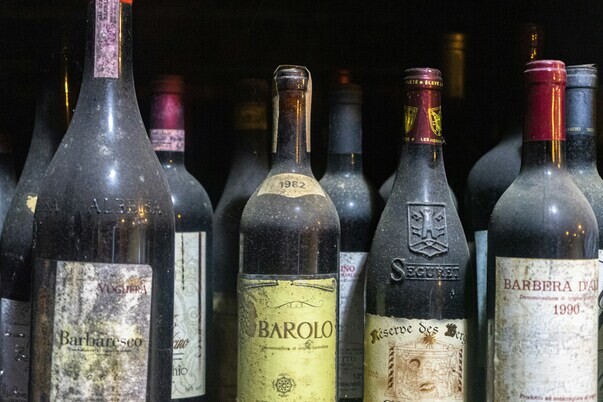
Understanding vintages is one of the more rewarding aspects of wine appreciation, and one that's often overcomplicated. The vintage year indicates when the grapes were harvested, and because weather varies, so does wine quality and character from one year to the next.
Why Does This Matter?
In classic regions like Bordeaux and Burgundy, vintage variation is significant. A warm, dry growing season produces ripe, concentrated grapes. A cool or wet year can mean lighter, more acidic wines. They usually require less time to develop, too.
How to use vintage information
For wines you're buying to drink soon, recent well-regarded vintages are your friend.
For wines you're cellaring, understanding when a given vintage will peak helps you plan.
For everyday drinking wines, freshness is more important than complexity and younger is generally better.
A practical guide to recent key vintages
Bordeaux 2020, 2019, 2018: Three exceptional consecutive years, producing rich, structured wines built for ageing.
Burgundy 2022, 2020, 2019: Highly regarded across both Côte de Nuits and Côte de Beaune.
Rhône 2020, 2019: Concentrated and powerful; excellent across both Northern and Southern appellations.
The From Vineyards Direct buying team sources directly from growers, which means vintage context is often built into the selection. Wines are chosen at the right moment in their development, whether that's for immediate enjoyment or longer cellaring.
How Do You Get the Most From Every Bottle?
Good wine doesn't require a cellar, an extensive collection or years of study. A few basic principles make a tangible difference to what ends up in the glass. They're the practical foundations that allow every bottle, from a mid-week white to a carefully chosen Bordeaux, to show what it's actually capable of.
Ready to build a collection worth looking after? Browse the full From Vineyards Direct range today.
-- The FromVineyardsDirect Team