From Vineyard to Bottle: How Terroir Shapes a Winemaker’s Signature Style
29th May 2026
What Is Terroir?
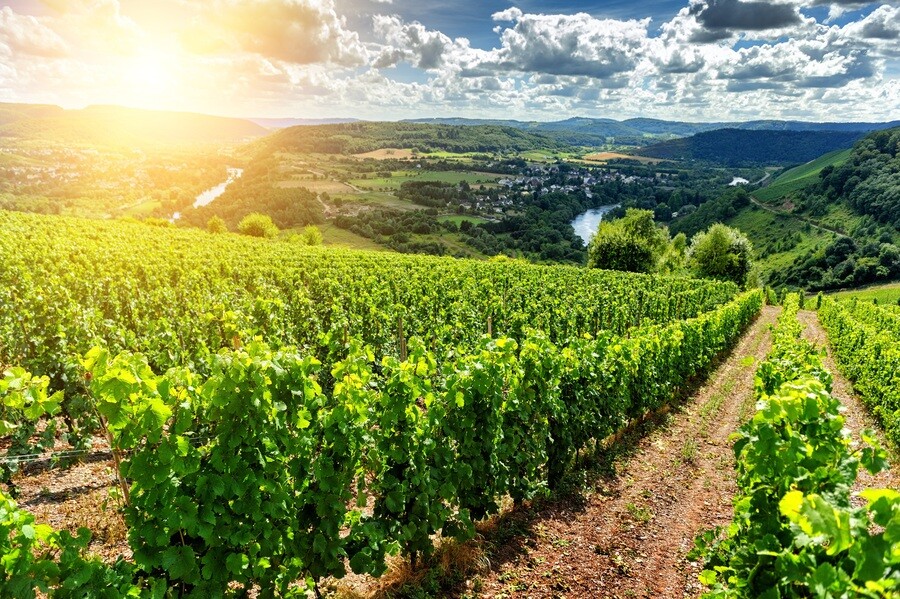
Few topics are as integral to wine discussions and ever-present at wine tastings as the concept of terroir. Often described in more layman terms as the expression of a “sense of place,” terroir is the thread that connects a wine to its origin. It’s what makes up its DNA. "Terroir" is the interplay of a vineyard’s climatic conditions with its geological composition and topography – as well as with a producer's decision-making – that determines a wine’s distinct identity and authenticity.
The Natural Foundations of Terroir
Soil Composition: The Vineyard’s Backbone
The importance of soil composition cannot be overstated. Whether limestone, clay, gravel or sand, soils influence water retention, drainage and nutrient availability. These factors directly affect vine health and grape development.
Limestone soils, for example, are often linked to freshness and precision, while gravel soils retain heat and help produce structured, powerful wines.
Climate: Shaping Ripeness and Style
Climate determines how grapes ripen over the growing season. Sunlight, rainfall and temperature variation all influence sugar levels, acidity and flavour development.
Cooler climates = higher acidity, fresher styles
Warmer climates = riper fruit, fuller-bodied wines
Even small climatic variations can create markedly different expressions within the same region.
Topography: The Influence of Landscape
Slope, altitude and vineyard orientation all play a role in shaping terroir.
South-facing slopes maximise sunlight in cooler regions
Higher altitudes preserve acidity and enhance aromatics
Natural drainage impacts vine balance and fruit quality
These nuances contribute to the diversity and complexity of wines from a single appellation.
The Human Element: Interpreting Terroir
Yield Control: Concentration and Quality
While nature provides the foundation, human decisions refine the outcome. Yield control — limiting the amount of fruit each vine produces — is key to enhancing concentration and expressing site-specific character.
Lower yields typically result in wines with greater intensity and definition.
Grapes Harvest: When Timing Is Everything
The timing of the grape harvest is critical. Picking too early can result in lean, underdeveloped wines, while harvesting too late may sacrifice freshness and balance.
Experienced winemakers carefully judge this moment to capture the vineyard at its peak expression.
Fermentation Vessels: Subtle Influence in the Cellar
In the winery, the choice of fermentation vessels plays an important role in shaping the final wine.
Stainless steel preserves freshness and purity
Oak barrels add texture and complexity
Concrete or amphorae offer a more neutral, terroir-driven expression
The aim is often to enhance rather than mask the character of the vineyard.
Authenticity and the Expression of Place
This is where true authenticity in winemaking resides. Wines that faithfully reflect their terroir offer more than flavour — they tell a story of place, season and craftsmanship.
The same grape variety grown under different conditions can produce dramatically different results, each an honest expression of its environment.
Why Terroir Matters to the Wine Drinker
Understanding wine terroir adds depth to wine appreciation. It explains:
Why wines from neighbouring regions can differ so significantly
Why certain areas become synonymous with particular styles
Why provenance and sourcing are so important
For collectors and enthusiasts, terroir is a marker of authenticity and quality.
Terroir Expression at FromVineyardsDirect
Naturally, terroir expression is paramount when selecting any wine for our portfolio. Here are just a few standout examples, each of which we find delivers supremely with every vintage release:
Champagne Michel Guilleminot, Brut ‘Tradition’: Being a ‘grower Champagne’, the pure expression of single-vineyard-sourced méthod champenoise – one in which 100% Pinot Noir captures the essence of this special place in the Côte de Bars.
Jean Pabiot et Fils, Domaine Des Fines Caillottes, Pouilly-Fumé: It’s in the very name, where ‘fine caillottes’ – ‘fine pebbles’ – account for this 100% Sauvignon Blanc’s sleek, poised minerality and freshness.
Domaine Gonon, Mâcon-Bussières: From this village-specific region just outside of a more famous Pouilly-Fuissé where limestone-rich soil and the Mâcon’s generous sunshine combine for 100% Chardonnay that is ripe, luscious and racy, with a wonderful, minerally finish.
Coteaux Bourguignons, Le Renard, Domaine Devillard: Low yields from old Pinot and Gamay vines planted in stony slopes make for a fresh, youthful yet concentrated and firm red blend that is beautifully structured with sweet fruit and a saline streak on the finish.
From Vineyard to Bottle: A Defining Influence
Ultimately, terroir is the conspiracy of elements that elevates a wine beyond the generic status of fermented grape juice. It’s how a bottle can evoke a landscape, a climate and even a moment in time.
From vineyard to bottle, it is this intricate relationship between nature and human intention that shapes a winemaker’s signature style — and defines the enduring appeal of the finer wines in life.
-- David Adamick, FromVineyardsDirect