White Burgundy: Chardonnay, Terroir and the Great Appellations
4th September 2026
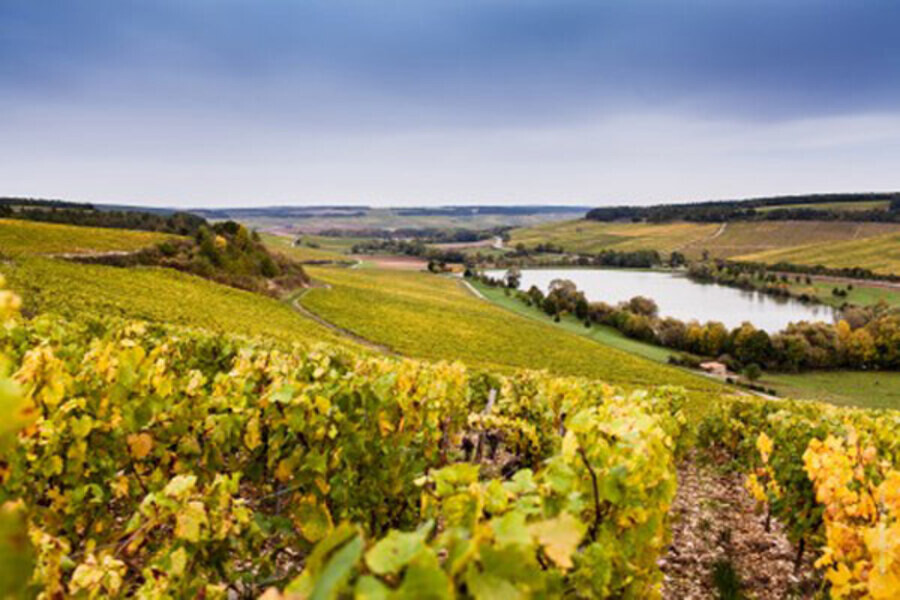
Few wine regions demonstrate the importance of place quite as vividly as Burgundy. Chardonnay may be the common thread running through its white wines, but the differences between a steely Chablis, a generous Meursault, a finely poised Puligny-Montrachet and a succulent, floral-hazelnut-scented Chassagne-Montrachet can be profound.
These four great appellations produce some of the most prestigious, sought-after – and expensive – Chardonnays in the world. Yet they represent only part of white Burgundy's extraordinary spectrum, which stretches from immensely drinkable regional wines to tiny Grand Cru vineyards whose bottles rank among the world's rarest.
That ability to translate minute differences in soil, aspect and mesoclimate into the glass is at the heart of Burgundy's fascination. It also explains why the name Chardonnay is rarely the most important one on the label. Burgundy talks principally in terms of place: first the region, then the village and, at its most precise, an individual vineyard.
From Chablis in the north through the Côte de Beaune and on to the Mâconnais further south, white Burgundy offers a remarkable demonstration of just how varied a single grape variety can be.
Understanding White Burgundy
Almost all white Burgundy is Chardonnay, but its wines are organised according to a hierarchy of geographical origin.
Burgundy's four principal levels are:
Regional – Bourgogne Blanc: wines made from grapes grown within the broader Burgundy appellation. At their best, these can offer an exceptionally good introduction to the region and its producers.
Village: wines from a particular commune or appellation, such as Chablis, Meursault, Puligny-Montrachet or Chassagne-Montrachet.
Premier Cru: wines from individually classified vineyard sites – climats – recognised for their particular quality and character.
Grand Cru: the summit of the hierarchy, encompassing Burgundy's greatest individual vineyard appellations, including Montrachet, Chevalier-Montrachet and Corton-Charlemagne in the Côte d'Or and the seven Grand Cru climats of Chablis.
The hierarchy matters, but it is only part of the story. Producer, vineyard, vintage and winemaking are every bit as important – one reason knowledgeable Burgundy drinkers often find considerable pleasure and value beyond the most celebrated names.
A New Addition: Joseph de Loy Bourgogne Chardonnay 2024
That is particularly true at regional level, where a good producer can offer a remarkably convincing glimpse of Burgundian character without the price attached to a famous village.
A fantastic new addition to the From Vineyards Direct range is the 2024 Bourgogne Chardonnay from Joseph de Loy, made by the Guillot family, Burgundy growers since 1911.
Ripe peach, pear and mirabelle fruit are balanced by a bright citrus freshness, while gentle stirring of the lees gives the wine additional depth and texture, with subtle almond and spice notes. There is no oak, leaving the fruit beautifully clear and expressive.
At £15.95 a bottle, it is precisely the sort of characterful, authentic white Burgundy that has become increasingly difficult to find at an everyday price.
Discover Joseph de Loy Bourgogne Chardonnay 2024
Burgundy's Great White-Wine Appellations
The extraordinary diversity of white Burgundy becomes clearest when moving between its major appellations. Four names in particular – Chablis, Meursault, Puligny-Montrachet and Chassagne-Montrachet – have become benchmarks for Chardonnay around the world.
Their styles are quite distinct, but collectively they produce some of the world's most prestigious, sought-after and expensive Chardonnay. The fascination lies in how differently the same grape can express itself from one place – and sometimes one neighbouring vineyard – to another.
Chablis: Precision, Tension and Minerality
Geographically separate from the Côte d'Or and considerably further north, Chablis occupies an outpost of Burgundy much closer to Champagne.
Its cool climate and celebrated Kimmeridgian soils – limestone and marl rich in marine fossils – give Chardonnay one of its most recognisable expressions: taut, energetic and mineral, often with citrus, green-apple and saline notes. Chablis wine is consequently quite distinct from the richer, more textural styles associated with much of the Côte de Beaune.
Oak traditionally plays a less conspicuous role here than in the Côte de Beaune, particularly at village level, although élevage varies considerably between producers and at Premier and Grand Cru level.
At its best, Chablis combines remarkable purity with an ability to develop considerable complexity with age.
Two examples from our range:
Chablis 1er Cru Montmains, Domaine Brocard: from one of Chablis's best-known producers and a Premier Cru noted for its finesse, freshness and mineral character.
Chablis, Domaine des Malandes: an excellent introduction to classic village Chablis from a long-established domaine.
The Côte de Beaune: The Heartland of Great White Burgundy
Travel south to the Côte de Beaune and both landscape and wine change markedly.
This southern half of the Côte d'Or contains an extraordinary concentration of the world's greatest Chardonnay vineyards. Meursault, Puligny-Montrachet and Chassagne-Montrachet sit within a few miles of one another; nearby are Corton-Charlemagne and increasingly sought-after villages such as Saint-Aubin and Auxey-Duresses.
It is here that Chardonnay reaches some of its most complex expressions, combining fruit, texture, acidity, minerality and the subtle influence of barrel fermentation and ageing.
Meursault: Richness, Texture and Depth
Meursault is traditionally associated with the broader, more generous side of white Burgundy, although the familiar description of it as simply "rich and buttery" considerably understates the variety and finesse of its wines.
There is no Grand Cru within Meursault itself, but its finest Premier Crus – most famously Perrières, Genevrières and Charmes – rank among Burgundy's great white-wine vineyards. Meursault wine can range from relatively taut and mineral to wonderfully broad and opulent, depending on vineyard, vintage and producer.
Typical Meursault can show ripe orchard and stone fruit, hazelnut and almond, often with a creamy or lightly smoky texture from élevage. Yet the best examples retain freshness and mineral tension beneath that generosity, particularly from the village's finest hillside sites.
Meursault is typically:
Broad and textured
Generous in fruit without necessarily being heavy
Characterised by hazelnut, almond, citrus and ripe orchard-fruit notes
Particularly responsive to barrel fermentation and ageing
Capable of considerable complexity with bottle age
Puligny-Montrachet: Finesse and Precision
If Meursault is traditionally associated with breadth, Puligny-Montrachet is celebrated for precision.
The village contains – or shares with neighbouring Chassagne – some of the most exalted Chardonnay vineyards on earth, including Montrachet, Chevalier-Montrachet, Bâtard-Montrachet and Bienvenues-Bâtard-Montrachet.
Puligny often combines remarkable concentration with a sense of restraint. Citrus and white flowers, fine acidity and a distinctive mineral or stony character are recurring themes, while the best wines gain extraordinary depth and complexity without sacrificing their poise.
Puligny-Montrachet is typically:
Fine-boned and precise
Citrus- and mineral-driven
Floral and subtly aromatic
Concentrated but rarely ponderous
Noted for its balance between intensity and finesse
Among the longest-lived and most highly prized expressions of Chardonnay
Chassagne-Montrachet: Power Meets Precision
Immediately south of Puligny lies Chassagne-Montrachet, the other great village associated with the Montrachet hill.
Historically important for both red and white Burgundy, Chassagne today is particularly celebrated for Chardonnay. It shares the Montrachet and Bâtard-Montrachet Grands Crus with Puligny, while Criots-Bâtard-Montrachet lies entirely within Chassagne.
Stylistically, its whites are often described as occupying ground between Meursault's breadth and Puligny's chiselled precision. They can have considerable body and depth, with ripe orchard and citrus fruit, floral notes and a distinctly savoury, mineral character. The finest examples combine power with impressive freshness and structure.
Chassagne-Montrachet is typically:
Full and concentrated
Broader in texture than many Pulignys
Ripe with citrus and orchard fruit
Often subtly nutty, spicy or savoury
Structured by a pronounced mineral freshness
Capable of marrying richness with considerable precision and longevity
The distinctions should not be treated as rigid rules – vineyard position, grower and vintage can readily overturn them – but they provide a useful sense of why these neighbouring villages inspire such fascination.
Looking Beyond the Famous Names
The international demand for Chablis, Meursault, Puligny-Montrachet and Chassagne-Montrachet has inevitably pushed prices upwards, particularly for the most celebrated Premier and Grand Cru vineyards.
Fortunately, Burgundy rewards curiosity.
Saint-Aubin, immediately behind the Montrachet villages, can produce wonderfully mineral, incisive Chardonnay, while Auxey-Duresses, tucked behind Meursault, offers another route into the Côte de Beaune without paying entirely for a famous name.
Further south, the Mâconnais provides some of Burgundy's most attractive value. Pouilly-Fuissé leads the region in reputation, but appellations such as Mâcon-Villages and Mâcon-Uchizy can offer delicious, characterful Chardonnay at considerably more approachable prices.
What Food Goes With White Burgundy?
The diversity of white Burgundy makes it exceptionally versatile at the table. Rather than following rigid rules, it is worth matching the weight and texture of the wine to the dish.
Chablis: oysters, shellfish, crab and simply prepared fish; its acidity and saline character are particularly effective with seafood.
Meursault: roast chicken, turbot, richer fish dishes, mushrooms and cream-based sauces; its breadth and texture can carry correspondingly richer food.
Puligny-Montrachet: scallops, langoustine, lobster and fine white fish, particularly with restrained butter or cream sauces.
Chassagne-Montrachet: roast poultry, lobster, turbot, veal and richer seafood dishes; its combination of weight and freshness makes it especially versatile.
Regional Bourgogne Chardonnay, meanwhile, is often the easiest of all to pair. A fresh, fruit-driven example such as Joseph de Loy 2024 will happily accompany roast chicken, grilled fish, creamy pasta or simply serve as an aperitif.
Which Is The Best White Burgundy To Buy?
There is no single best white Burgundy: producer, vineyard, vintage, occasion and, inevitably, budget all play their part. Nor does a hierarchy of enjoyment correspond neatly to Burgundy's classification system. A well-made Bourgogne Chardonnay from a good producer can give far more pleasure than an indifferent bottle carrying a more prestigious appellation.
For everyday drinking, regional Burgundy and the Mâconnais remain obvious hunting grounds. Château du Charnay's Mâcon-Villages and Domaine Talmard's Mâcon-Uchizy offer the ripe fruit and generosity associated with southern Burgundy.
The new Joseph de Loy Bourgogne Chardonnay 2024 is another particularly compelling place to start: authentic, ripe and beautifully fresh Chardonnay at a price that remains refreshingly un-Burgundian.
Moving upwards, Chablis and Pouilly-Fuissé bring greater concentration and complexity, while the great villages of the Côte de Beaune offer some of Chardonnay's most profound expressions.
For more recommendations, read Our Favourite Everyday Burgundy Right Now.
Explore White Burgundy at From Vineyards Direct
Part of the pleasure of Burgundy lies in comparison: tasting the same grape through different soils, villages, growers and vintages.
At From Vineyards Direct, we work with established Burgundy growers and seek out wines across the region's appellations and price levels – from delicious regional Chardonnay to the celebrated villages of Chablis and the Côte de Beaune.
Explore our white Burgundy collection or contact us for more personalised recommendations.